Before construction began on the Taichung Power Plant chimneys, one of the project’s most important engineering milestones had already taken place.
For chimneys exceeding 150 metres in height, Taiwan Power Company (Taipower) requires physical wind tunnel testing in addition to analytical wind load calculations undertaken in accordance with Taiwanese and internationally recognised design codes.
While physical wind tunnel testing is common for landmark supertall buildings such as Taipei 101, it is relatively rare for industrial chimneys. The process provides an additional level of engineering validation, ensuring the structure will perform safely under Taiwan’s demanding wind conditions.
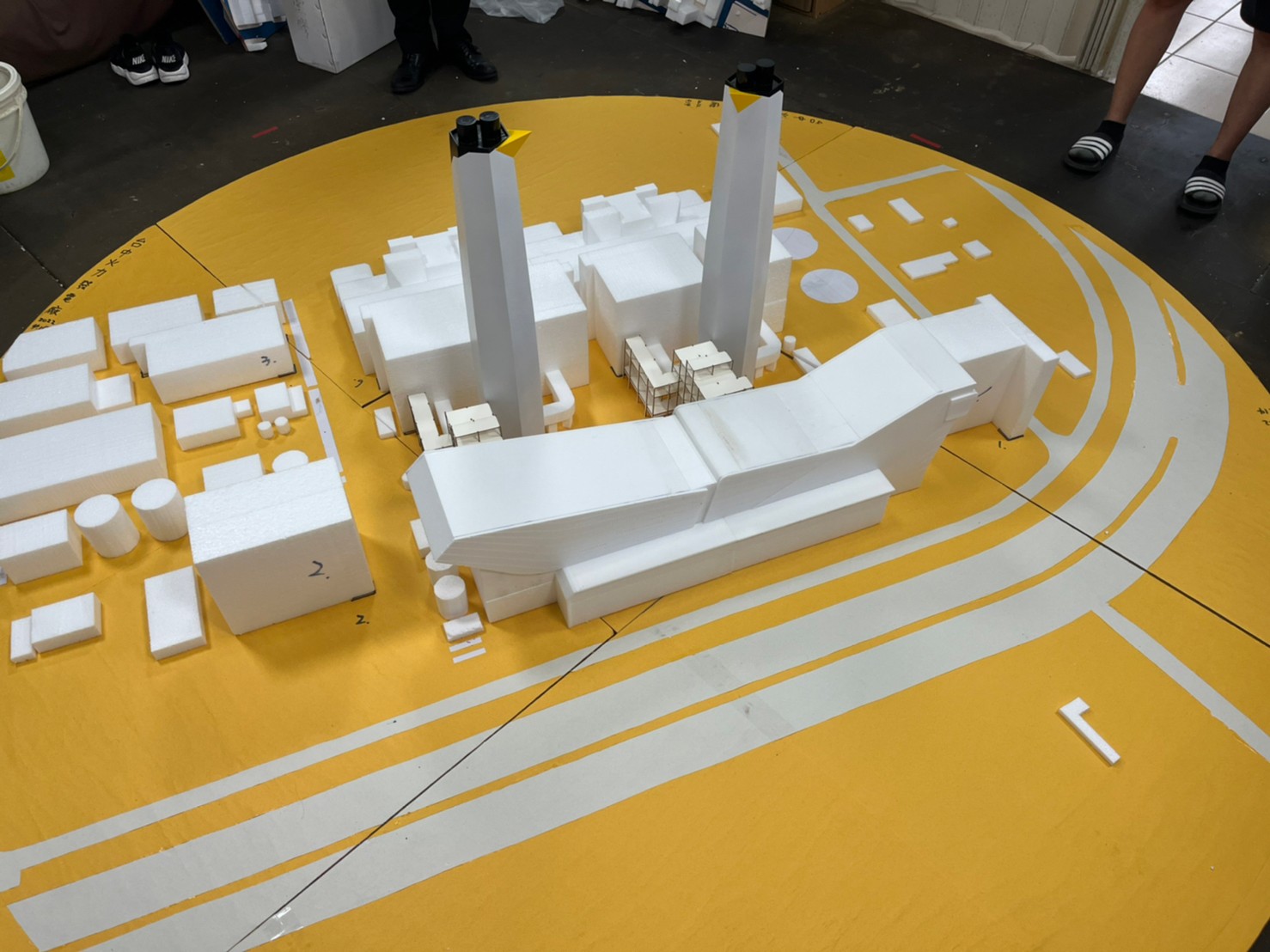
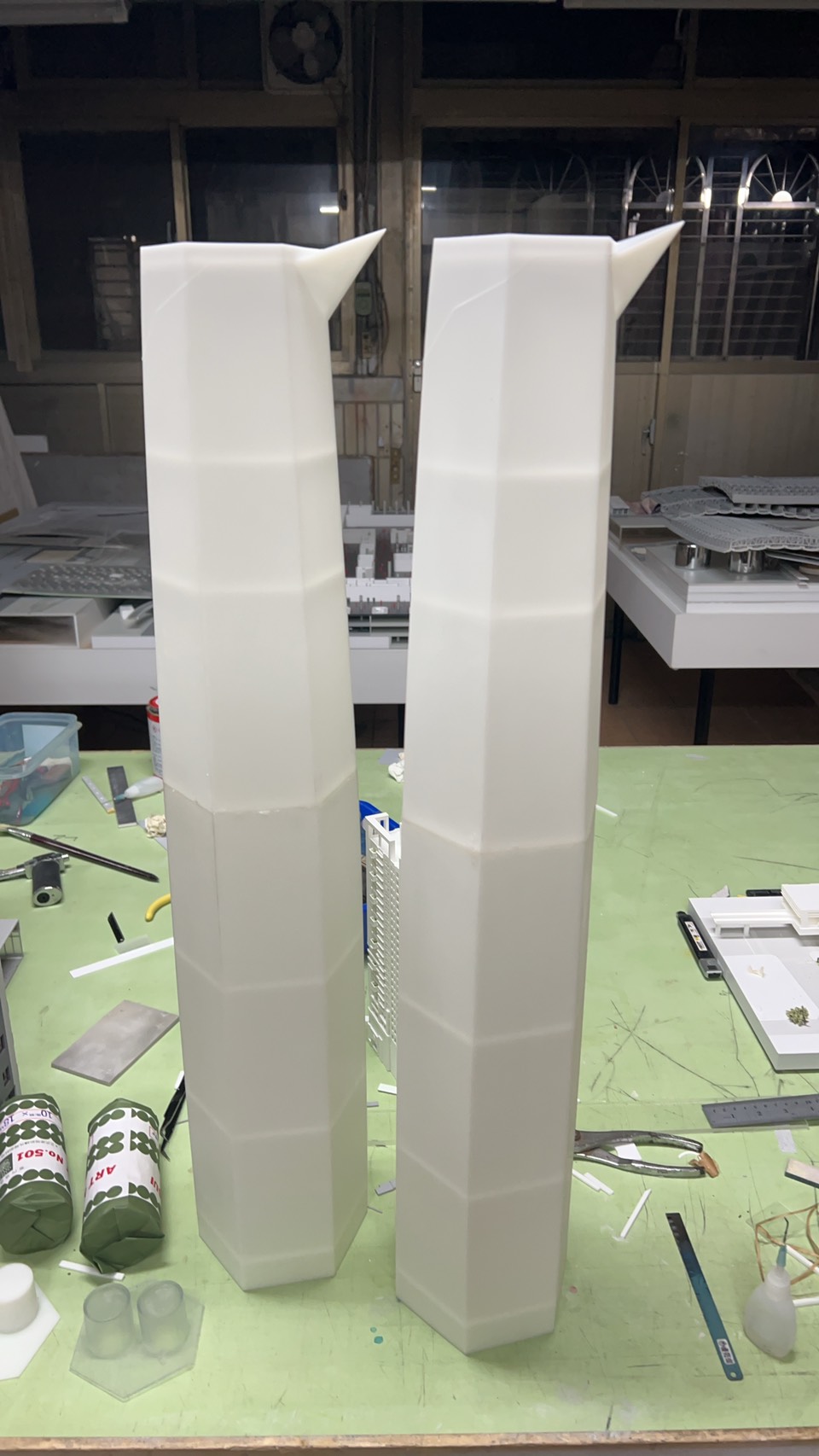
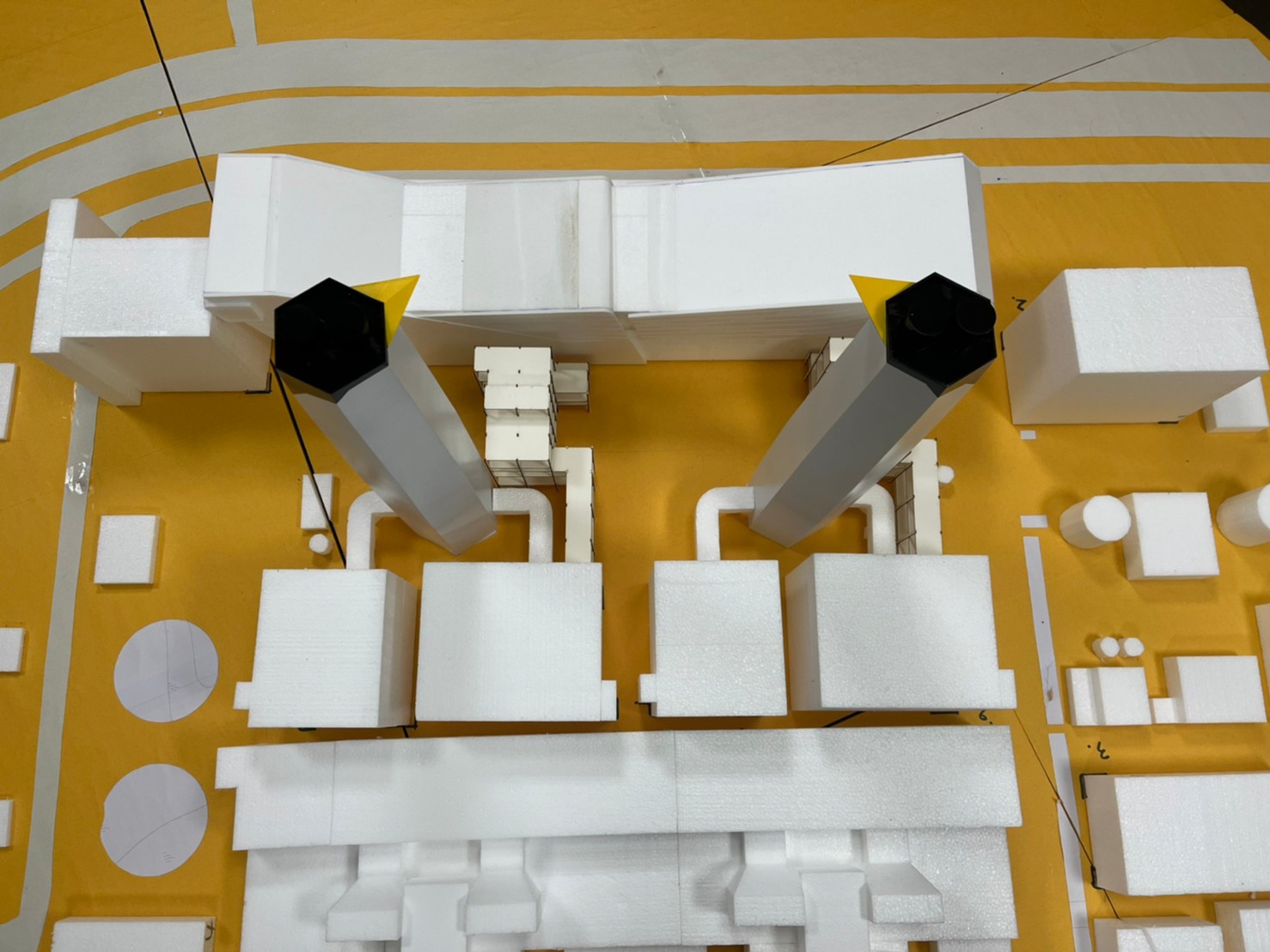
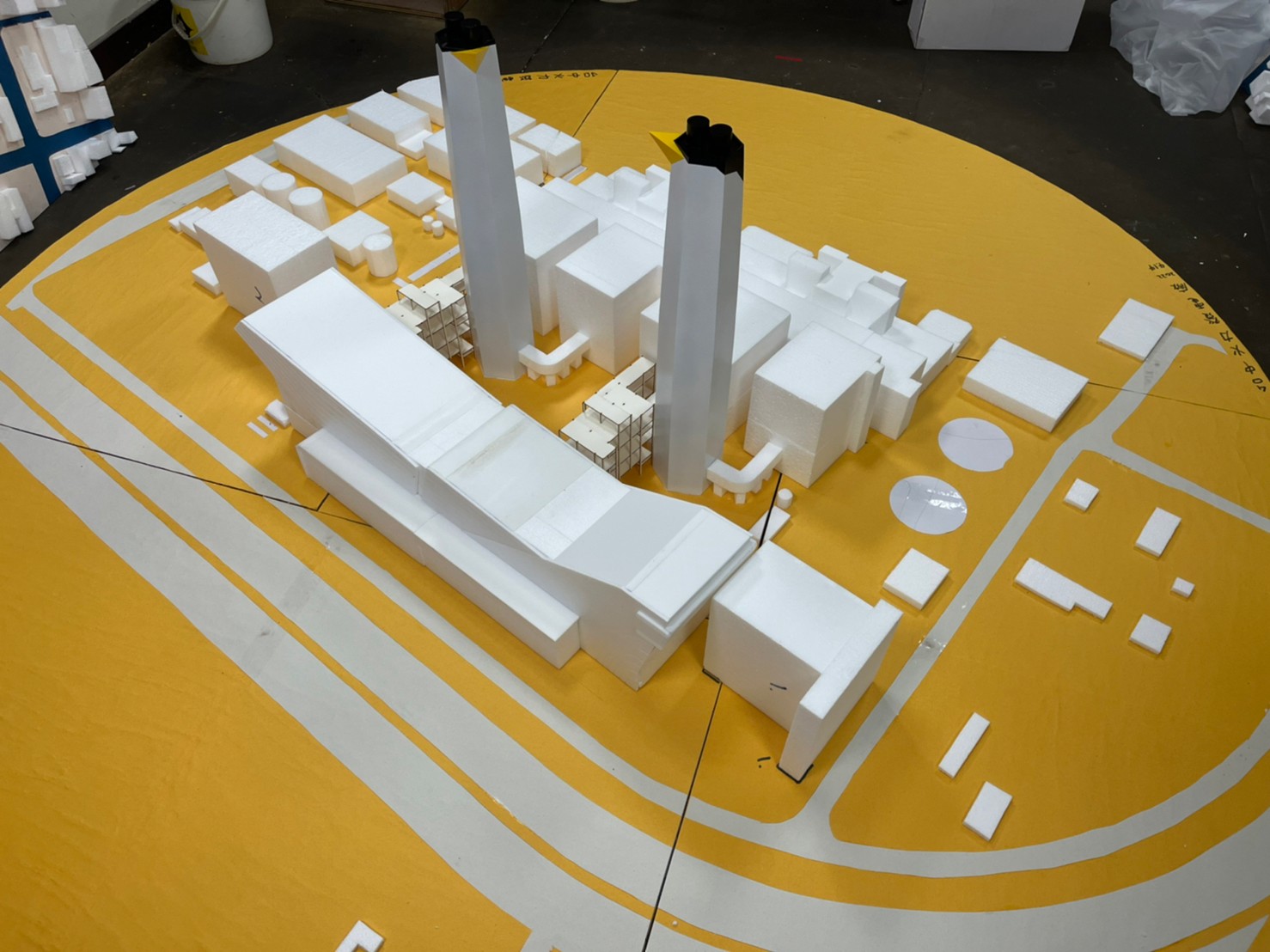
To meet these requirements, scale models of the Taichung chimneys were produced, replicating the complete geometry of the final structures, including their tapered hexagonal profile and the distinctive architectural beak. These models were then subjected to simulated wind conditions, allowing engineers to verify the design before construction commenced.
Although rarely seen outside the engineering team, wind tunnel modelling plays a critical role in validating complex infrastructure projects and provides confidence that the finished structure will perform as intended throughout its service life.
For BEC, participating in this process formed another important chapter in the delivery of one of the company’s most technically distinctive chimney projects to date.
The Taichung project demonstrates that successful infrastructure delivery begins with rigorous engineering, careful planning and a commitment to validating every stage of the design before work begins on site.